A Guide to Building Resilient Health Systems in Africa
PH
Introduction
Building resilient health systems in Africa is vital for ensuring that communities can withstand and recover from health crises. The COVID-19 pandemic highlighted the vulnerabilities in many health systems across the continent. By focusing on strengthening these systems, we can improve health outcomes and build a sustainable future.
Understanding Resilience
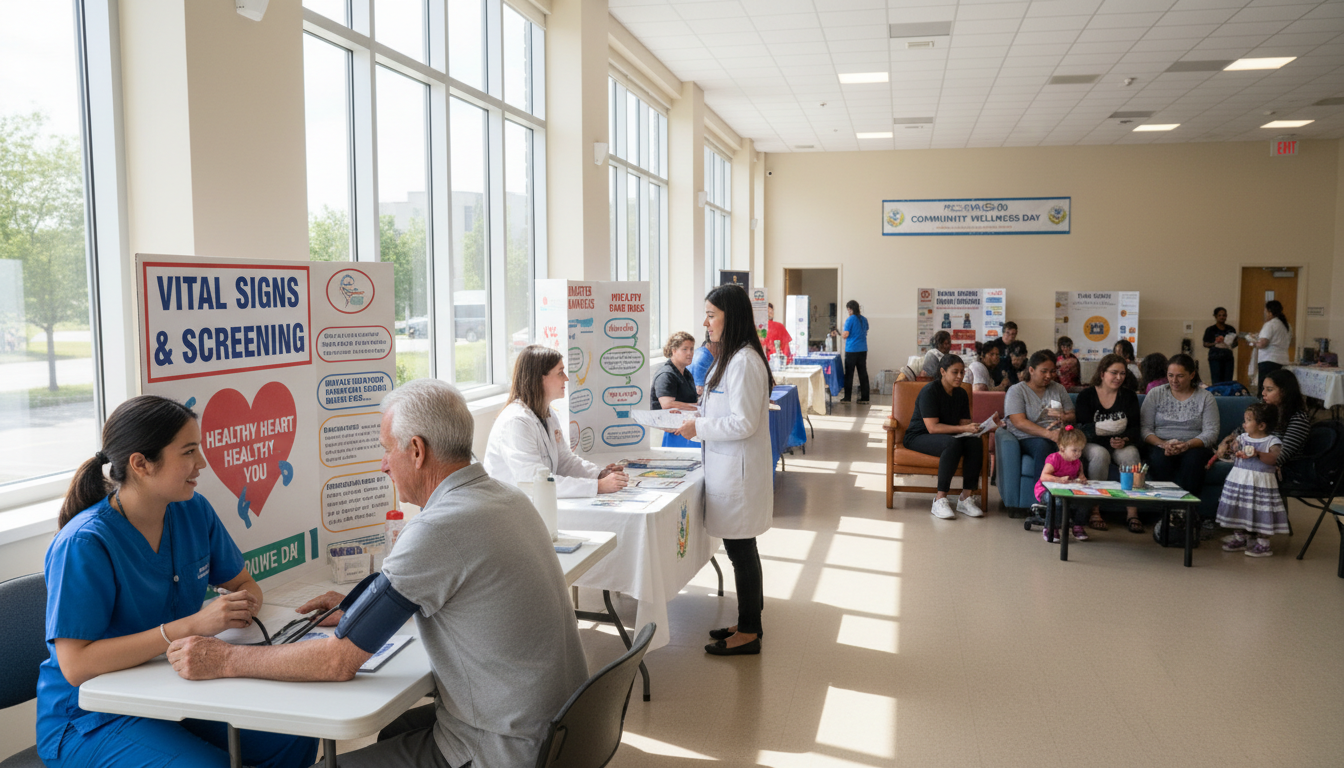
Resilience in health systems refers to the ability to prepare for, manage, and learn from crises. This involves a robust infrastructure, effective communication channels, and adaptable policies. Understanding these components is essential for creating systems that can endure challenges.
Infrastructure Development
One of the key aspects of building resilience is investing in infrastructure. This includes constructing well-equipped hospitals, expanding healthcare facilities, and ensuring access to clean water and sanitation. By enhancing infrastructure, health systems can better support communities during emergencies.

Human Resources and Training
A resilient health system relies heavily on skilled healthcare workers. Investing in education and training is crucial for building a knowledgeable and prepared workforce. Programs that focus on continuous professional development can empower healthcare providers to respond effectively to emerging health threats.
Community Engagement
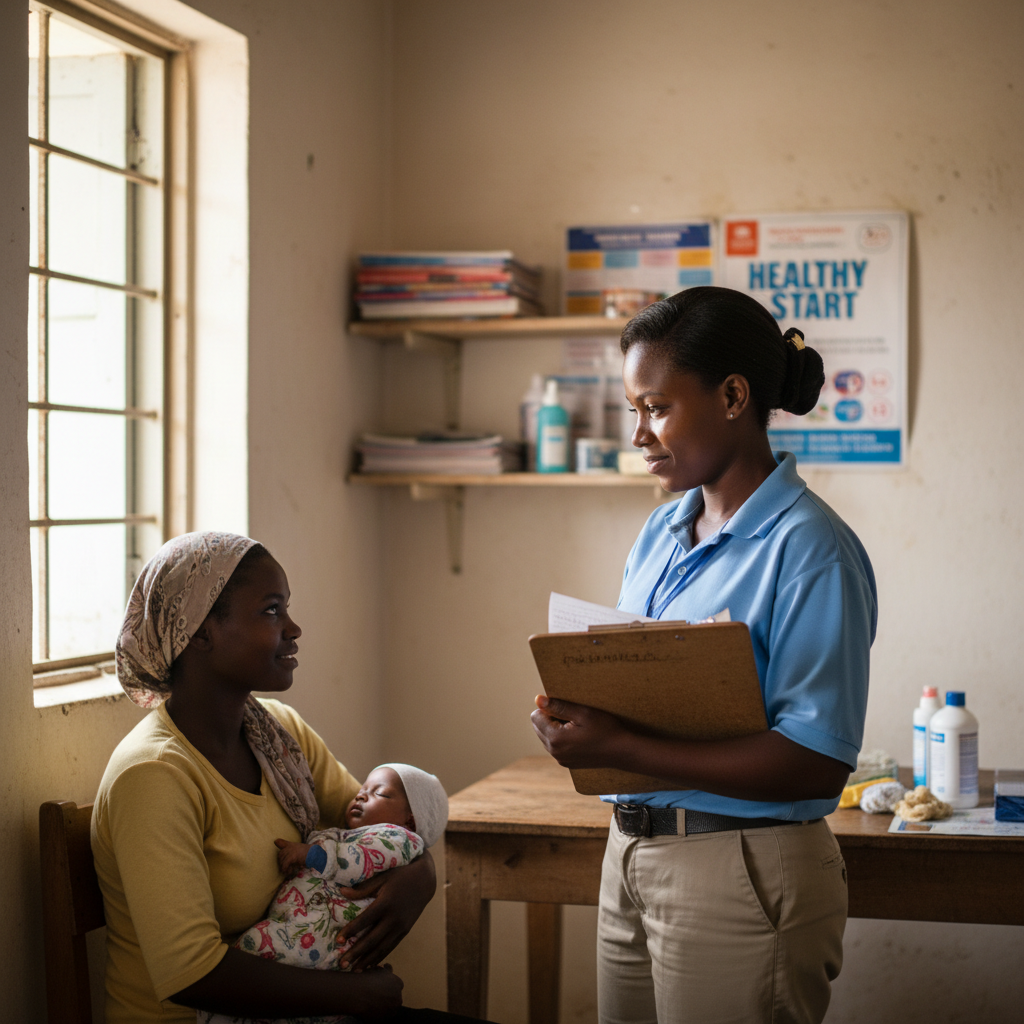
Engaging communities in health system development is vital. Local perspectives can provide valuable insights and promote trust. Community health workers play a significant role in bridging the gap between health facilities and the population, ensuring that health services are accessible and culturally appropriate.
Technology and Innovation
Leveraging technology is another way to enhance health system resilience. Digital health tools, telemedicine, and mobile health applications can improve service delivery and data management. Innovations in technology can make healthcare more accessible, especially in remote areas.
Monitoring and Evaluation
Effective monitoring and evaluation are critical for improving health systems. By analyzing data and identifying gaps, policymakers can make informed decisions to strengthen health services. Regular assessments ensure that systems remain responsive and adaptable to changing needs.

Policy and Governance
Strong policies and governance frameworks are essential for resilient health systems. Governments must prioritize healthcare in their agendas and allocate adequate resources. Collaborative efforts between public and private sectors can lead to more comprehensive and effective health solutions.
International Collaboration
International partnerships can also play a significant role in building resilient health systems. Sharing knowledge, resources, and best practices can help countries learn from each other and implement effective strategies. Global cooperation is key to tackling health challenges that transcend borders.

Conclusion
Building resilient health systems in Africa requires a multifaceted approach, involving infrastructure investment, skilled human resources, technological innovation, and effective governance. By focusing on these areas, African countries can create health systems that are not only resilient but also equitable and sustainable. Through collaboration and commitment, we can ensure a healthier future for all.