Addressing Common Public Health Challenges in Africa: Expert Insights
PH
Understanding Public Health Challenges in Africa
Public health in Africa faces a unique set of challenges that require innovative solutions and collaborative efforts. From infectious diseases to access to healthcare, these issues impact the continent's development and quality of life for millions. Addressing these challenges involves a combination of policy reform, education, and investment in healthcare infrastructure.
Infectious Diseases: A Persistent Threat
Infectious diseases such as malaria, HIV/AIDS, and tuberculosis continue to be significant public health concerns in Africa. Despite advances in medical research and treatment, these diseases affect millions of people annually. Efforts to combat these diseases focus on prevention, early detection, and treatment accessibility.
For instance, the distribution of mosquito nets and antimalarial drugs has shown success in reducing malaria cases. Similarly, increased access to antiretroviral therapy has improved life expectancy and quality of life for those living with HIV/AIDS.
Strengthening Healthcare Infrastructure
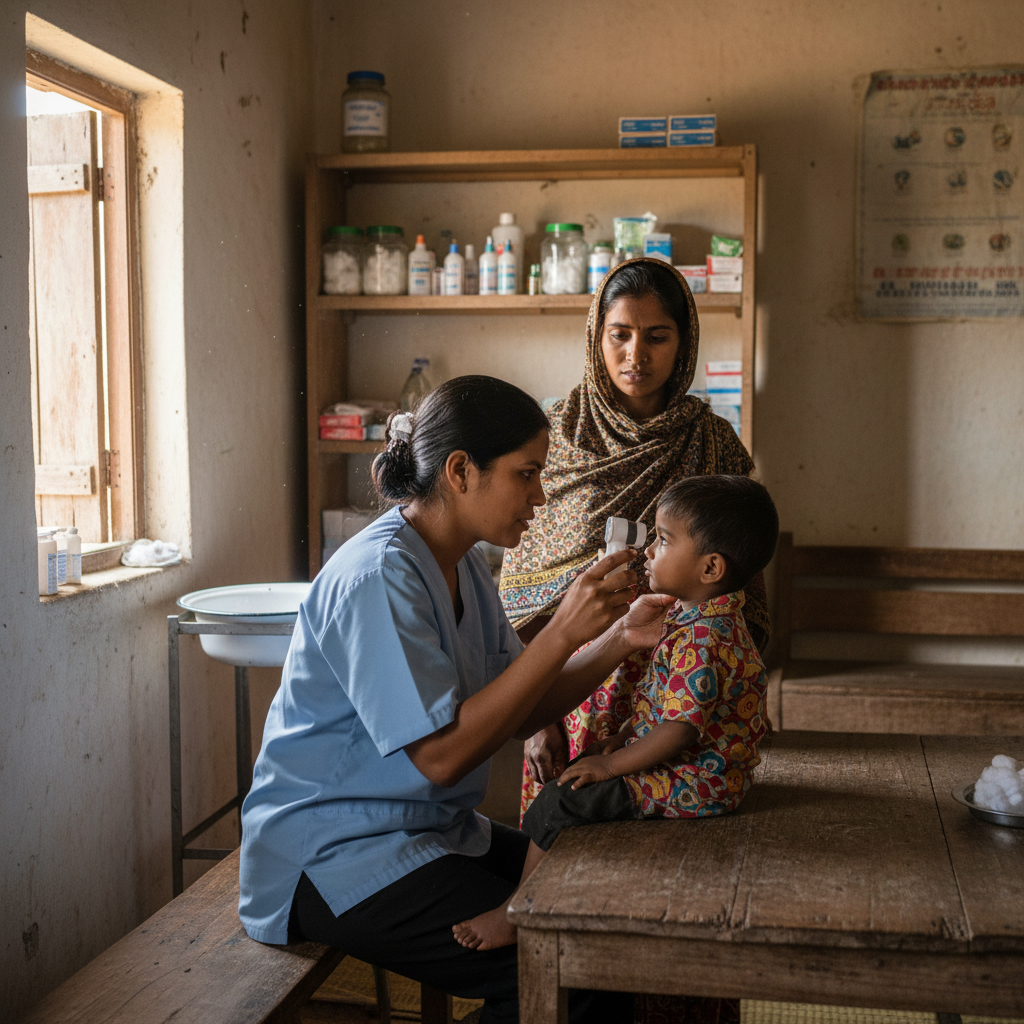
One of the critical challenges in improving public health is strengthening the healthcare infrastructure. Many rural areas lack basic healthcare facilities, which limits access to essential services. Investment in infrastructure is crucial for providing adequate healthcare to underserved populations.
Governments and international organizations are working to build and equip healthcare facilities, train healthcare workers, and implement telemedicine services to reach remote areas.

Addressing the Impact of Climate Change
Climate change poses a growing threat to public health in Africa, affecting food security, water supply, and the spread of diseases. Changes in climate patterns can lead to droughts, floods, and other extreme weather events, exacerbating health challenges.
Strategies to mitigate these effects include sustainable agricultural practices, improved water management, and disaster preparedness plans. Collaborative efforts are essential to build resilience against these environmental changes.
Improving Nutrition and Food Security
Malnutrition remains a significant issue in many parts of Africa, affecting children's growth and development. Efforts to improve nutrition focus on increasing food production, enhancing food distribution systems, and educating communities about healthy eating practices.
Programs that promote breastfeeding, provide vitamin supplements, and support local agriculture are integral to addressing malnutrition and enhancing food security.

Enhancing Public Health Education
Public health education plays a vital role in addressing health challenges. Educating communities about disease prevention, hygiene practices, and the importance of vaccinations can lead to improved health outcomes. Campaigns and educational programs are crucial for raising awareness and changing behaviors.
Using mass media, community workshops, and school programs, public health initiatives aim to empower individuals with the knowledge they need to make informed health decisions.
Conclusion
Addressing public health challenges in Africa requires a multifaceted approach that combines policy, education, infrastructure, and community involvement. By working together, governments, organizations, and communities can make significant strides in improving health outcomes across the continent. Continued investment and innovation are key to overcoming these challenges and ensuring a healthier future for all.