Case Study: Successful Public Health Interventions in African Communities
PH
Introduction to Public Health Interventions in Africa
Public health interventions play a crucial role in improving the well-being and health of communities worldwide. In Africa, various successful interventions have exemplified how strategic efforts can lead to significant health improvements. This case study explores some of these interventions, highlighting their impact and the strategies that made them effective.
Public health challenges in Africa are diverse, ranging from infectious diseases to maternal and child health issues. Addressing these requires innovative approaches and community involvement. By examining successful interventions, we can glean insights into best practices and strategies that can be replicated or adapted elsewhere.
Malaria Prevention in Zambia
One of the most notable public health interventions in Africa is the malaria prevention program in Zambia. Malaria is a leading cause of illness and death in many African countries. To combat this, Zambia implemented a comprehensive approach combining the distribution of insecticide-treated bed nets, indoor residual spraying, and community education.
Key strategies included engaging local communities through education campaigns and collaborating with international organizations for resources and support. This multifaceted approach resulted in a significant decrease in malaria cases and mortality rates, showcasing the power of coordinated efforts.

HIV/AIDS Education in Uganda
Uganda's fight against HIV/AIDS is another example of a successful public health intervention. The country adopted a robust education and awareness campaign, emphasizing the ABC strategy: Abstinence, Be faithful, and Condom use. This approach was tailored to the cultural and social context of Uganda, making it more effective.
The involvement of community leaders and local organizations played a crucial role in spreading awareness and reducing stigma associated with HIV/AIDS. Consequently, Uganda witnessed a decline in HIV prevalence rates, highlighting the importance of culturally sensitive interventions.

Maternal and Child Health in Rwanda
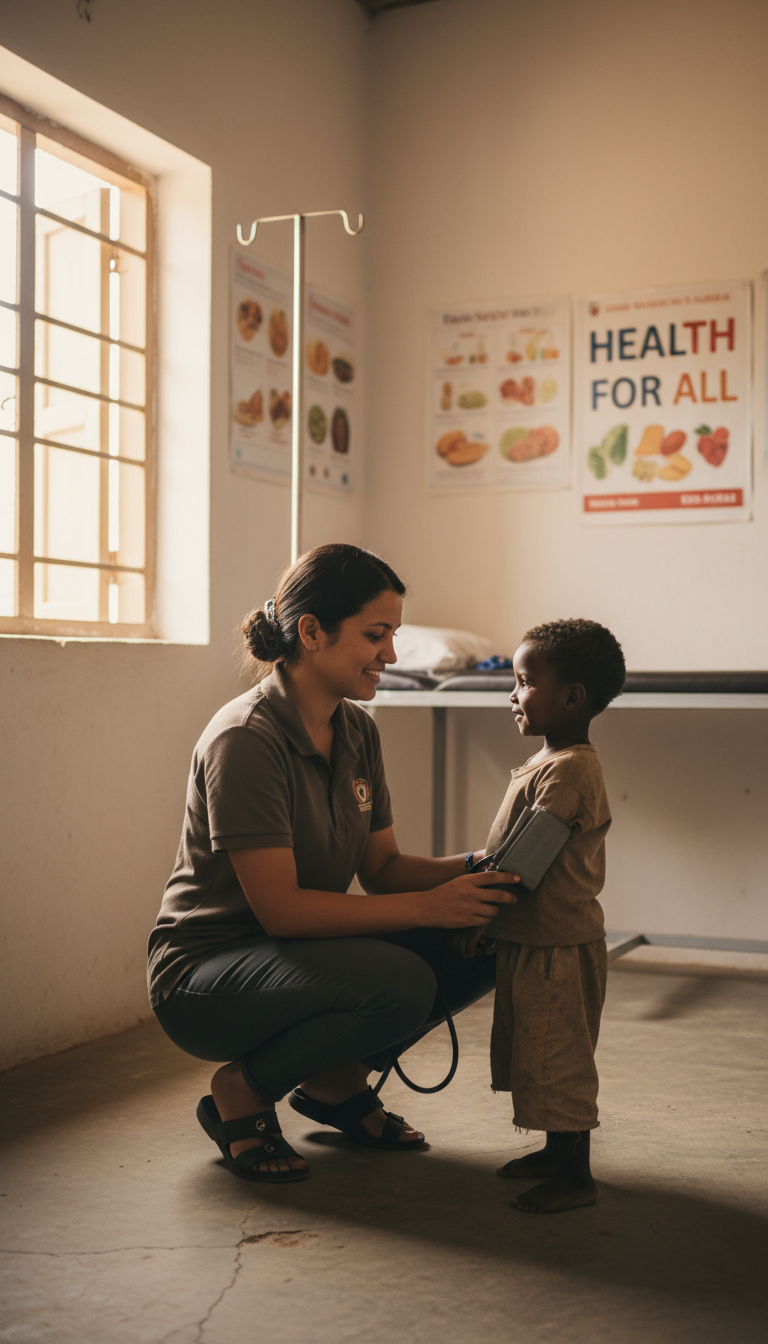
Rwanda has made remarkable progress in improving maternal and child health through targeted interventions. The country implemented a healthcare model that focuses on accessible maternal health services, vaccination programs, and nutrition education.
By prioritizing universal healthcare access and building a network of community health workers, Rwanda managed to reduce maternal and child mortality rates significantly. This success story underscores the importance of investing in healthcare infrastructure and community-based health workers.

Conclusion
The success of these public health interventions in African communities illustrates the potential for transformative change when strategies are well-planned and contextually relevant. These case studies provide valuable lessons for other regions facing similar challenges.
Collaboration between governments, international organizations, and local communities is essential to replicate these successes. By learning from these interventions, we can work towards a healthier future for all.