Comprehensive Guide to Public Health Challenges in Africa
PH
Understanding Public Health in Africa
Public health in Africa faces unique challenges that require innovative and sustainable solutions. The continent's diverse landscape, coupled with varying economic and social conditions, presents a complex environment for health initiatives. Understanding these challenges is crucial for developing effective strategies to improve health outcomes.
Infectious Diseases
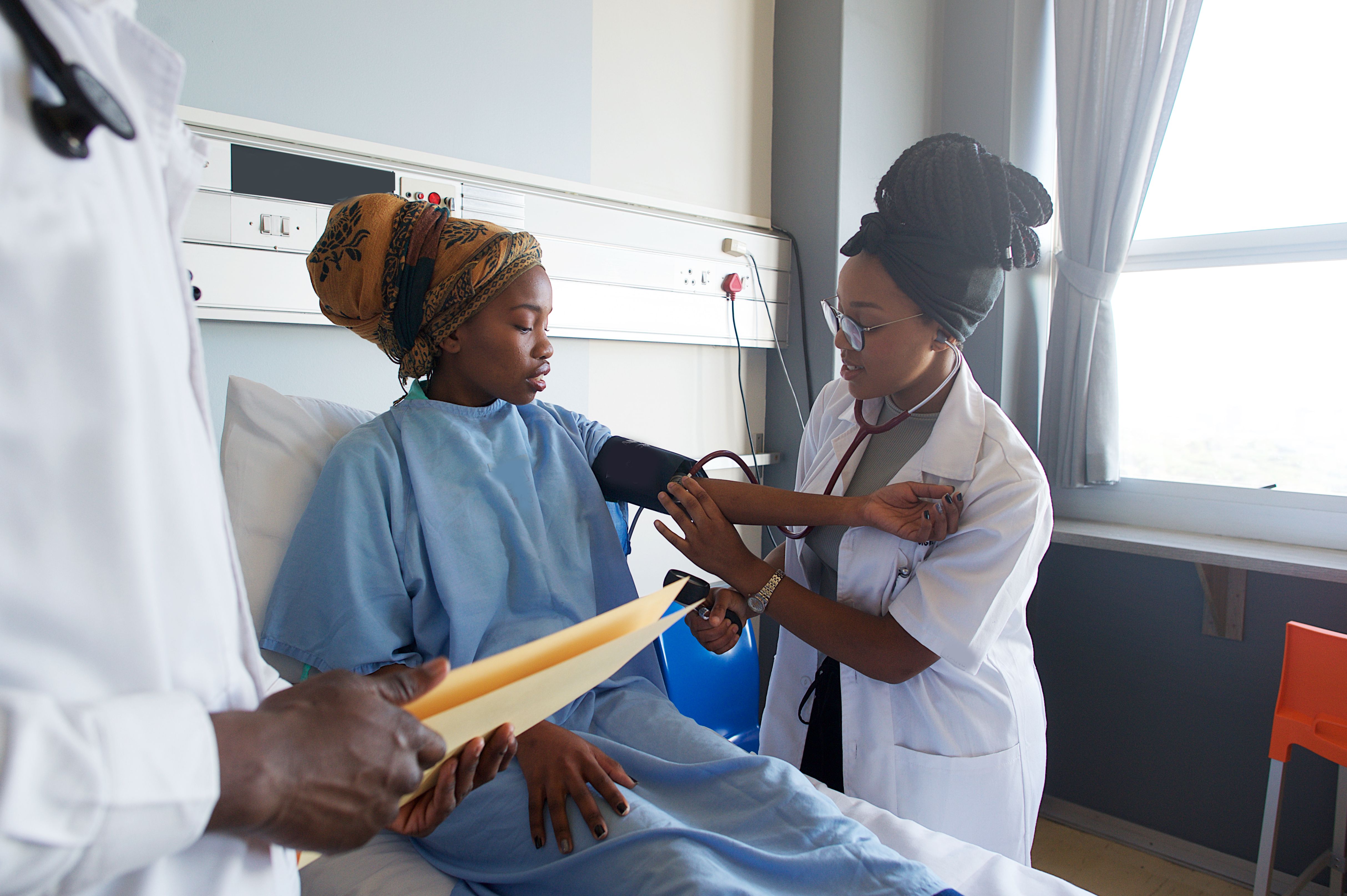
Infectious diseases remain a significant challenge in Africa. Malaria, HIV/AIDS, and tuberculosis are among the most prevalent, affecting millions of people annually. Despite progress in reducing the incidence of these diseases, they continue to strain healthcare systems and require ongoing attention and resources.
Efforts to combat infectious diseases include vaccination campaigns, public education, and improved access to healthcare services. Collaborative efforts between governments, NGOs, and international organizations are essential to sustain progress and ensure that vulnerable populations receive necessary care.
Non-Communicable Diseases
While infectious diseases are a primary concern, non-communicable diseases (NCDs) are on the rise. Conditions such as diabetes, hypertension, and cancer are becoming more prevalent due to lifestyle changes and urbanization. Addressing NCDs requires a shift in focus towards preventive care and lifestyle modifications.

Strategies to address NCDs include promoting healthy eating, increasing physical activity, and reducing tobacco and alcohol use. Public health campaigns and community-based interventions play a vital role in raising awareness and encouraging healthier lifestyles.
Maternal and Child Health
Maternal and child health is a critical area that continues to need attention. High maternal mortality rates and child malnutrition are persistent challenges. Improving maternal and child health requires comprehensive healthcare services, including prenatal and postnatal care, as well as nutrition and education programs.

Investments in healthcare infrastructure, training for healthcare providers, and access to essential medicines are crucial to improving outcomes in this area. Empowering women and ensuring their access to healthcare services can lead to significant improvements in maternal and child health indicators.
Access to Healthcare Services
Access to healthcare remains a significant barrier in many African countries. Geographic, economic, and social factors often limit the availability of essential services. Improving access involves addressing these barriers through policy changes, infrastructure development, and community engagement.
Telemedicine and mobile health technologies offer promising solutions to expand access to care, especially in remote areas. These technologies can bridge gaps and provide timely health information and services to underserved populations.

Conclusion
Addressing public health challenges in Africa requires a multifaceted approach that considers the continent's unique context. By focusing on both infectious and non-communicable diseases, enhancing maternal and child health, and improving access to services, significant strides can be made towards better health outcomes. Collaboration and innovation are key to overcoming these challenges and ensuring a healthier future for all Africans.