Comprehensive Guide to Public Health Solutions in Africa
PH
Introduction to Public Health in Africa
Africa faces unique public health challenges, but it also holds immense potential for innovative solutions. This comprehensive guide explores effective public health strategies and interventions that are transforming the continent.
Key Health Challenges
The African continent grapples with a variety of health issues, including infectious diseases like malaria, HIV/AIDS, and tuberculosis. These diseases remain prevalent and are compounded by inadequate healthcare infrastructure and resources.
In addition to infectious diseases, non-communicable diseases (NCDs) such as diabetes and hypertension are on the rise, necessitating a dual approach in public health solutions.
Innovative Health Solutions
Community-Based Interventions
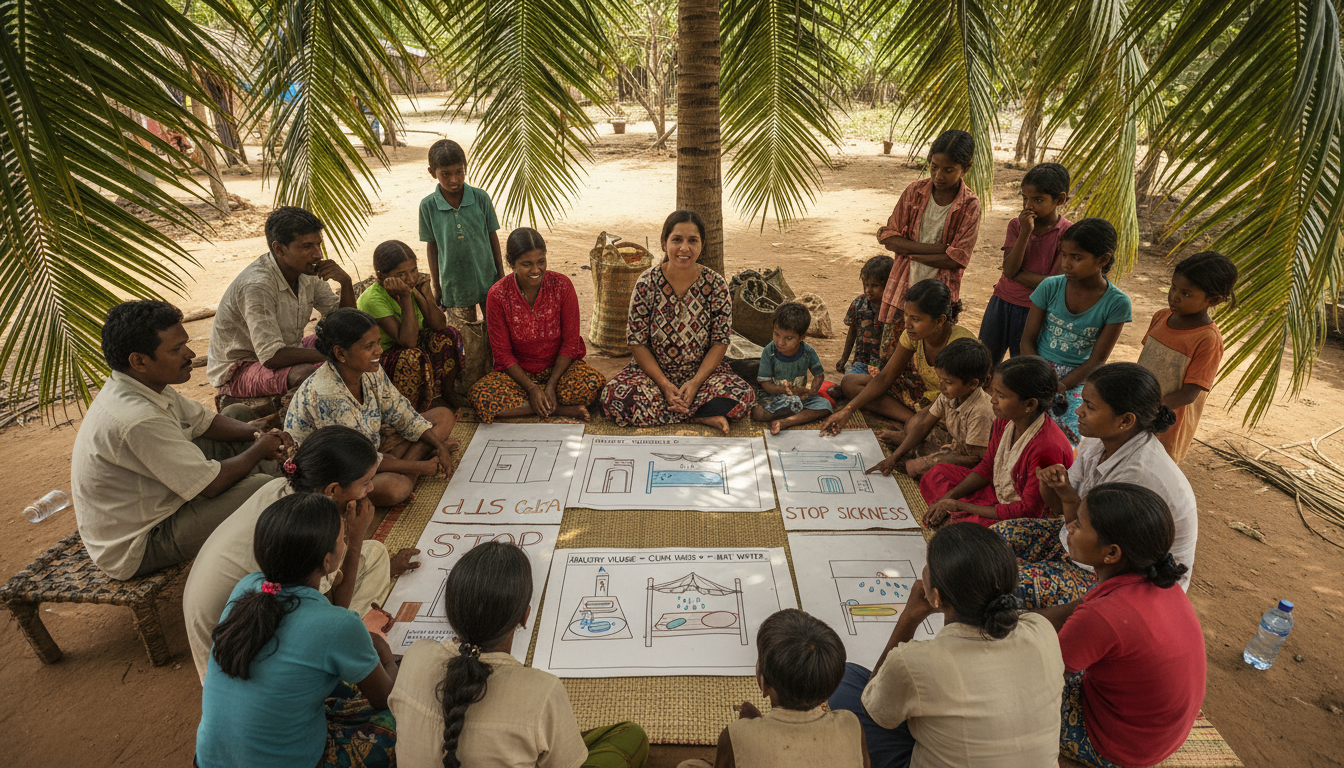
Community-based health interventions have proven effective in reaching remote and underserved populations. These initiatives often involve training local health workers to provide essential services and health education.

Technology and Health
Technological advancements are playing a crucial role in improving healthcare delivery. Mobile health (mHealth) solutions, for example, allow for remote diagnosis and patient monitoring, enhancing access to healthcare in rural areas.
Moreover, data-driven approaches help in tracking disease outbreaks and allocating resources efficiently.
Partnerships and Collaborations
Collaborative efforts between governments, NGOs, and international organizations are vital for the success of public health initiatives. These partnerships facilitate funding, resource sharing, and knowledge exchange.

Policy and Advocacy
Strong public health policies and advocacy are essential for sustainable health improvements. Policymakers must prioritize health funding and create supportive environments for public health initiatives.
Advocacy efforts help to raise awareness and drive community engagement, which are critical components of successful health campaigns.
Conclusion
Africa's public health landscape is evolving, with innovative solutions and collaborative efforts paving the way for a healthier future. By addressing key challenges and leveraging technology, community engagement, and partnerships, significant progress can be achieved.
These comprehensive strategies not only improve health outcomes but also contribute to the overall development and economic growth of African nations.