Expert Insights: Addressing Infectious Diseases in African Communities
PH
Understanding the Challenge
Addressing infectious diseases in African communities requires a nuanced understanding of the unique challenges these regions face. Many communities encounter barriers such as limited access to healthcare facilities, scarce resources, and a lack of public health education. These challenges make it essential to adopt targeted and sustainable approaches to combat infectious diseases effectively.
The Role of Education
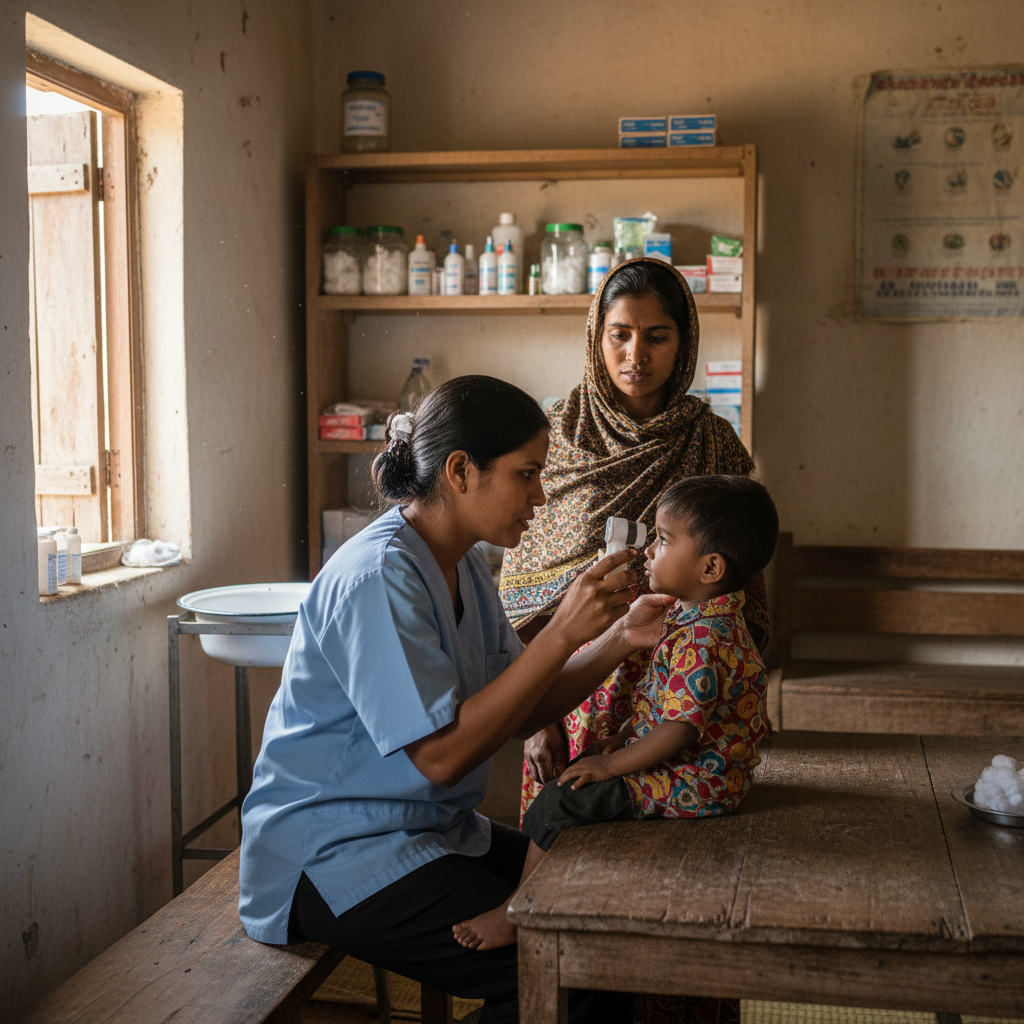
One of the most critical aspects of addressing infectious diseases is education. By increasing awareness through community programs, we can empower individuals to take preventive measures. Educational initiatives should focus on hygiene practices, vaccination awareness, and the importance of seeking medical advice early.
Community leaders and healthcare workers play a vital role in disseminating information. By leveraging local languages and culturally relevant materials, these efforts can significantly enhance understanding and compliance.
Improving Healthcare Access
Improving access to healthcare is fundamental in tackling infectious diseases. This involves building more healthcare facilities, training local health workers, and ensuring the availability of essential medicines. Mobile clinics and telemedicine can also bridge the gap in remote areas, providing much-needed services to those who might otherwise be neglected.

Strengthening Infrastructure
Infrastructure development is a cornerstone of effective disease management. This includes not only building hospitals but also improving transportation networks to facilitate better access to healthcare services. Reliable infrastructure ensures that medical supplies and personnel can reach even the most remote areas promptly.
Investment in infrastructure should be accompanied by efforts to improve water and sanitation systems, as these are critical in preventing disease outbreaks.
Community Involvement and Collaboration
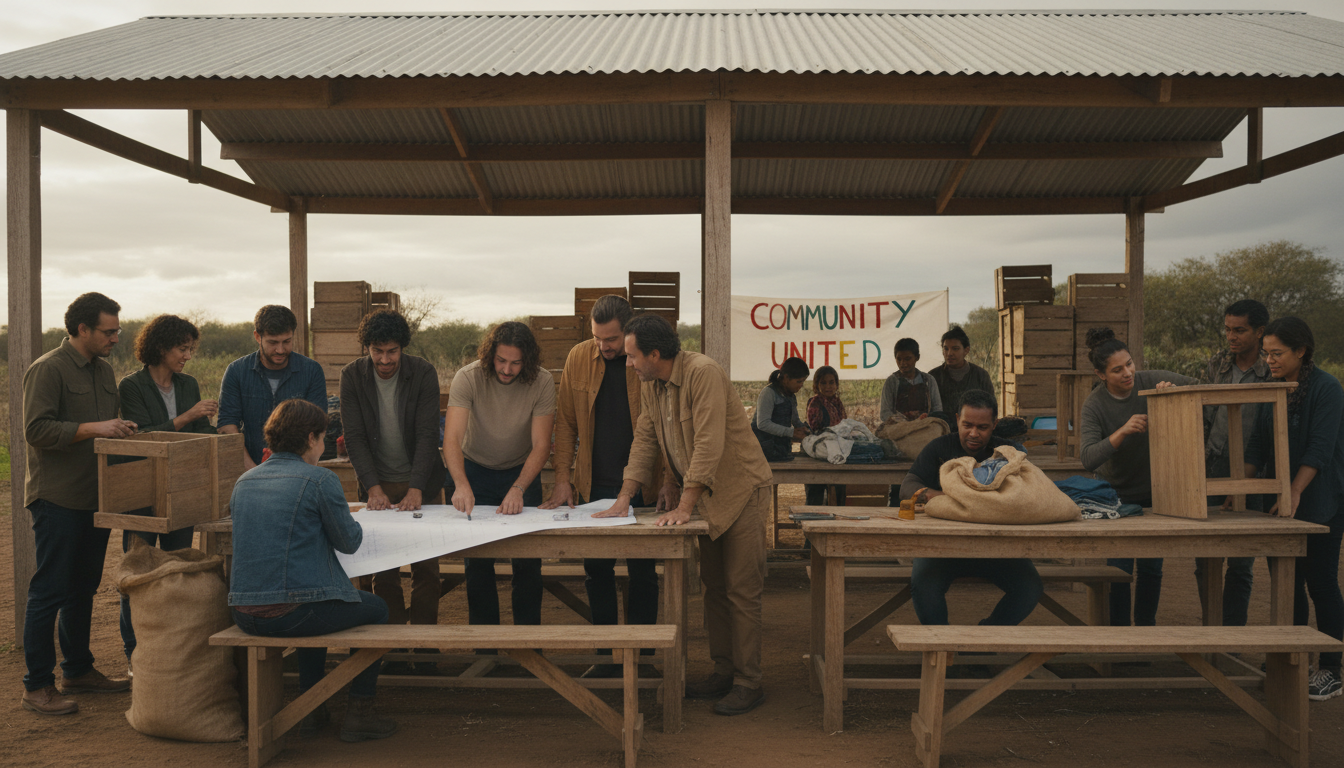
Engaging communities in the fight against infectious diseases is crucial. Community involvement ensures that strategies are culturally acceptable and sustainable. Collaborations with non-governmental organizations and international bodies can bring in additional resources and expertise.
Research and Innovation
Innovative research is vital to understanding and combating infectious diseases. By investing in research, we can develop new vaccines and treatment methods tailored to the specific needs of African communities. Partnerships with global research institutions can facilitate knowledge exchange and accelerate progress.
Moreover, local research initiatives should be encouraged to tap into indigenous knowledge and practices, potentially uncovering effective traditional methods that can complement modern medicine.
A Call to Action
The fight against infectious diseases in African communities is a collective responsibility. Governments, international organizations, local communities, and individuals must work together to implement effective strategies. By focusing on education, healthcare access, infrastructure, community involvement, and research, we can make significant strides in addressing these challenges.
Continued support and investment in these areas will not only improve health outcomes but also enhance the overall quality of life for people across the continent.