Expert Insights: The Future of Public Health in Africa
PH
Introduction to the Future of Public Health in Africa
Africa stands at a pivotal moment in its public health journey. With a rapidly growing population and evolving challenges, the continent is poised to redefine its health landscape. As we look to the future, understanding key factors and trends will be essential for shaping effective health strategies.
The coming years will see a blend of traditional and innovative approaches in tackling health issues. Experts predict a significant transformation in how health services are delivered, focusing on accessibility, technology, and community-driven initiatives.
Technological Advancements in Healthcare
Embracing Digital Health Solutions
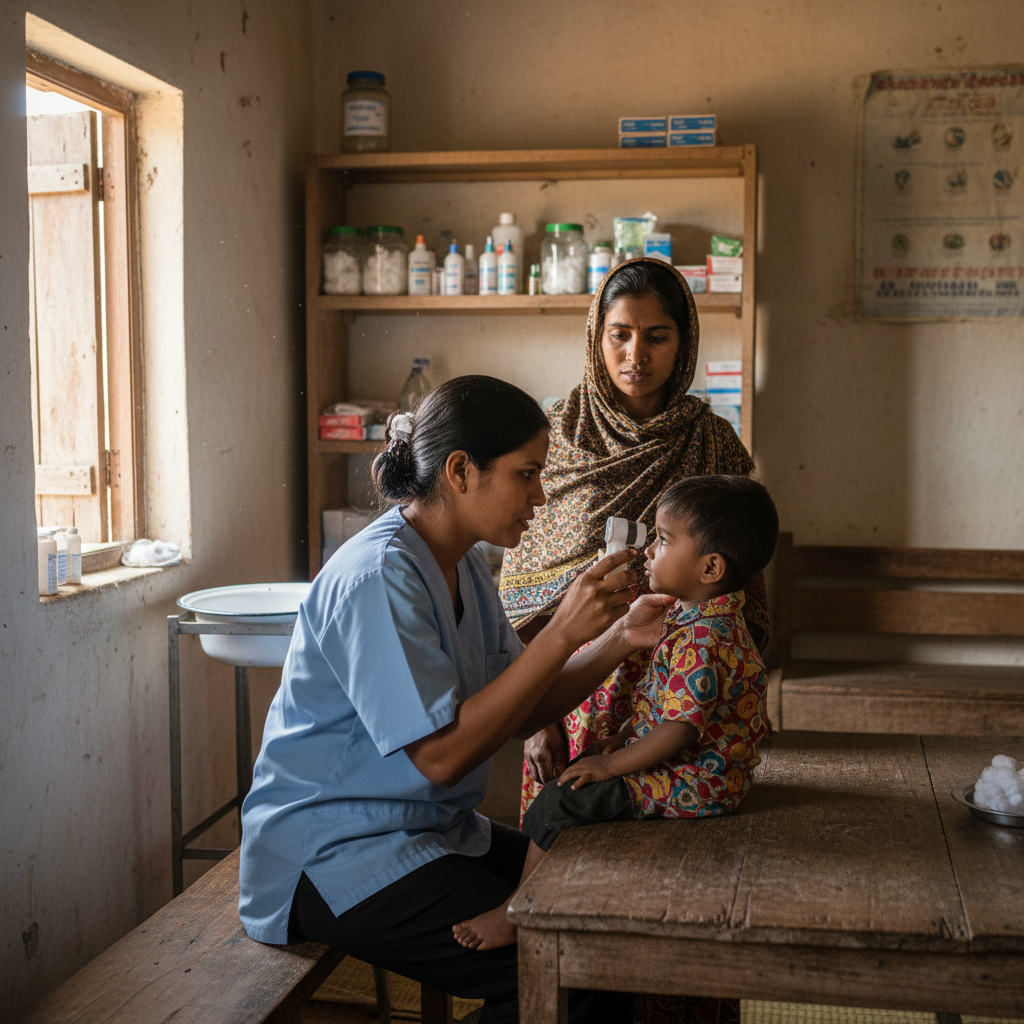
Technology is set to play a critical role in Africa's public health future. From mobile health applications to telemedicine, digital solutions offer unprecedented opportunities to reach remote areas. These innovations will enhance the ability to diagnose, treat, and monitor health conditions efficiently.
Mobile health (mHealth) apps are already making waves, providing vital information and services to millions. As smartphone penetration increases, these tools will become even more integral to healthcare delivery.

AI and Big Data in Disease Management
Artificial intelligence and big data analytics are emerging as powerful tools in disease management. By analyzing vast amounts of health data, AI can predict outbreaks, optimize resource allocation, and personalize treatment plans. This data-driven approach will be crucial in managing both infectious and non-communicable diseases.
Community-Centric Healthcare Models
Empowering Local Communities
Community-driven health initiatives are proving effective in addressing local health challenges. By empowering communities to take charge of their health, these models foster sustainable change. Local health workers and volunteers play a crucial role in disseminating information and providing essential services.
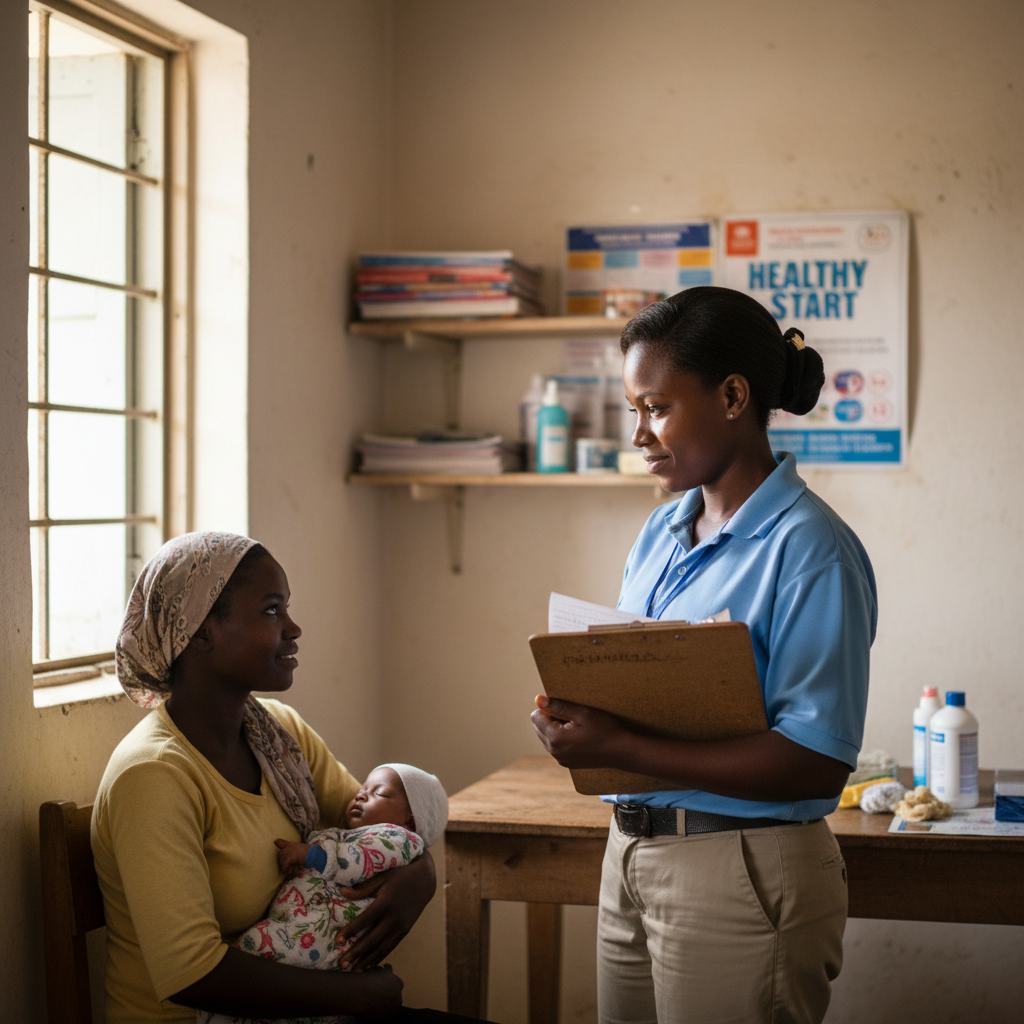
Partnerships between governments, NGOs, and local organizations will be essential in scaling these efforts. Collaborative approaches ensure that interventions are tailored to the unique needs of each community.
Challenges and Opportunities Ahead
Navigating Economic and Infrastructure Barriers
While there are many opportunities, challenges such as economic constraints and inadequate infrastructure persist. Addressing these barriers requires innovative financing models and investment in health infrastructure. Strengthening healthcare systems will be vital for meeting the growing demand for services.
Public-private partnerships can play a significant role in overcoming these challenges, providing the necessary resources and expertise to build resilient health systems.

Conclusion: A Vision for the Future
The future of public health in Africa is one of promise and potential. By leveraging technology, empowering communities, and addressing systemic challenges, Africa can transform its health landscape. With concerted efforts and strategic planning, the continent is poised to make significant strides in improving health outcomes for its people.
As we look ahead, the collaboration between governments, organizations, and communities will be key to realizing this vision. Together, they can create a healthier, more prosperous future for all Africans.