How Community-Based Initiatives Are Transforming Public Health in Africa
PH
Understanding Community-Based Health Initiatives
Community-based health initiatives are grassroots movements that focus on improving public health through local engagement and participation. These initiatives leverage the unique strengths and knowledge of the community to address health issues effectively. In Africa, such initiatives have become a cornerstone in transforming public health landscapes by promoting sustainable and locally-relevant solutions.
One of the key advantages of community-based approaches is their ability to tailor health interventions to the specific needs of a population. This ensures that the solutions are not only effective but also culturally sensitive and widely accepted by the community members.
The Role of Local Partnerships
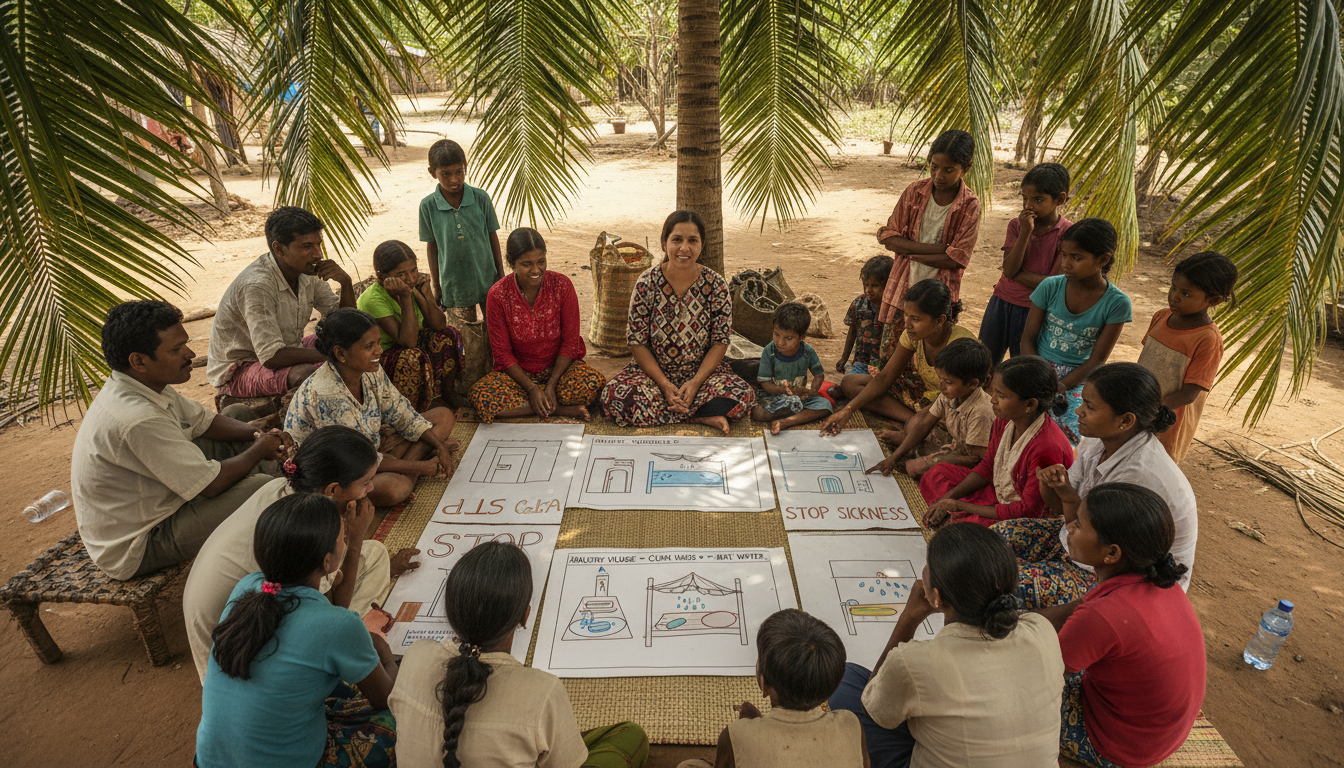
Local partnerships are integral to the success of community-based health initiatives in Africa. By collaborating with local organizations, governments, and international agencies, these initiatives can pool resources and expertise to maximize their impact. Such partnerships ensure that interventions are well-supported and sustainable in the long run.
For example, partnerships with local schools and clinics enable health education programs to reach a broader audience, enhancing awareness and fostering a culture of health within the community. These collaborations also facilitate the sharing of best practices, further strengthening the health systems in place.
Empowering Communities Through Education
Education plays a pivotal role in community-based health initiatives. By educating individuals about health practices, disease prevention, and hygiene, communities can take proactive steps to improve their own health outcomes. This empowerment leads to increased self-reliance and resilience against health challenges.
Programs that focus on maternal and child health, nutrition, and infectious disease prevention have shown significant success. By equipping community members with the knowledge and tools they need, these initiatives lay the groundwork for healthier communities.
Innovative Approaches to Health Challenges
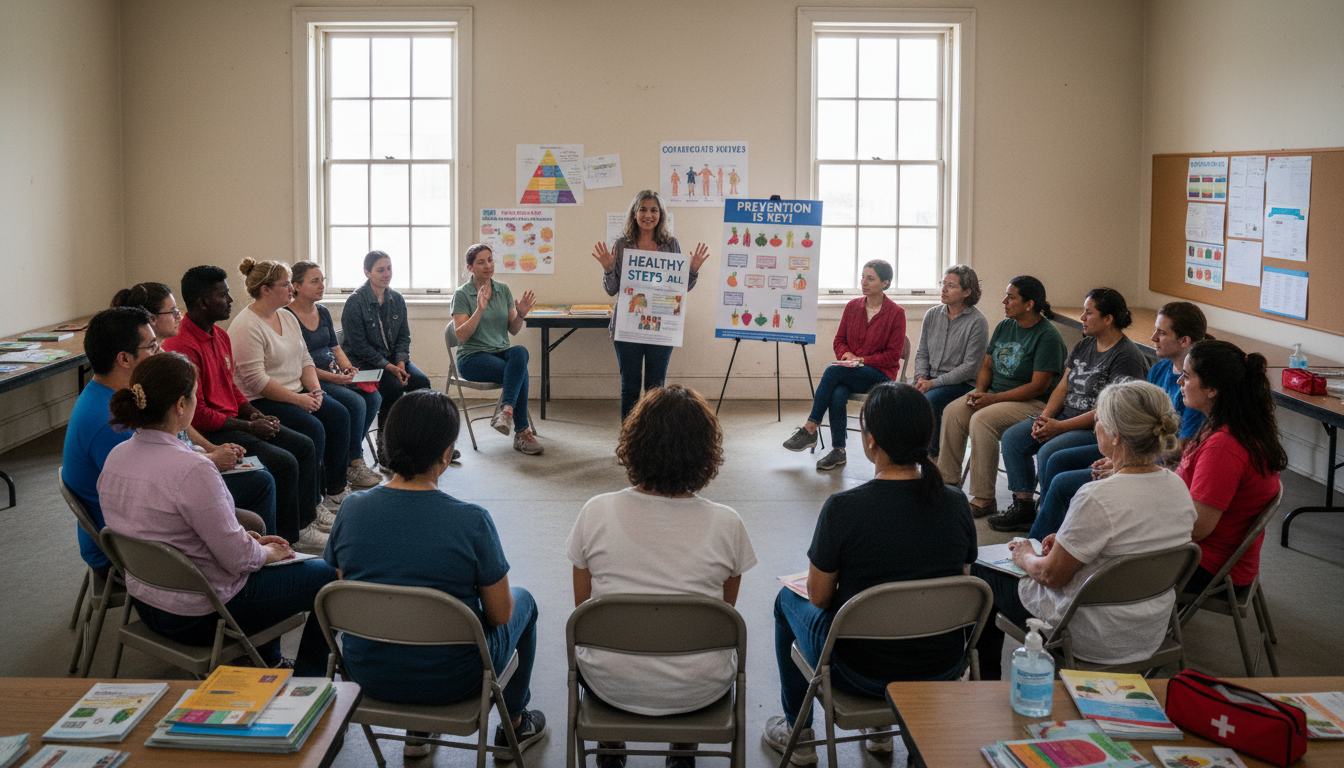
Community-based initiatives often employ innovative approaches to address health challenges. These can include the use of technology, traditional knowledge systems, and peer support networks. For instance, mobile health (mHealth) solutions are increasingly used to provide remote health consultations and disseminate important health information.
Additionally, traditional healers and community leaders are often involved in these initiatives, bridging the gap between modern medicine and traditional practices. This integration ensures that health interventions are holistic and cater to the diverse needs of the population.
Measuring Impact and Success
To ensure the success of community-based health initiatives, it is crucial to measure and evaluate their impact. This involves setting clear goals, collecting data, and analyzing outcomes. Regular monitoring allows for adjustments and improvements, ensuring that the initiatives remain relevant and effective.

Success stories from across Africa highlight the transformative power of these initiatives. From reducing child mortality rates to combating infectious diseases, community-based approaches have proven to be a vital component of public health strategies.
Conclusion
Community-based initiatives are reshaping the public health landscape in Africa. By focusing on local engagement, partnerships, education, innovation, and impact measurement, these initiatives are driving significant improvements in health outcomes. As these efforts continue to expand and evolve, they hold the promise of a healthier future for communities across the continent.