How to Implement Community Health Programs: A Step-by-Step Guide
PH
Understanding Community Health Programs
Community health programs are essential for improving public health and well-being. These initiatives focus on addressing specific health issues within a community, ensuring that everyone has access to necessary resources and support. By implementing effective community health programs, you can significantly impact the overall health of your community.
Identify the Needs of the Community
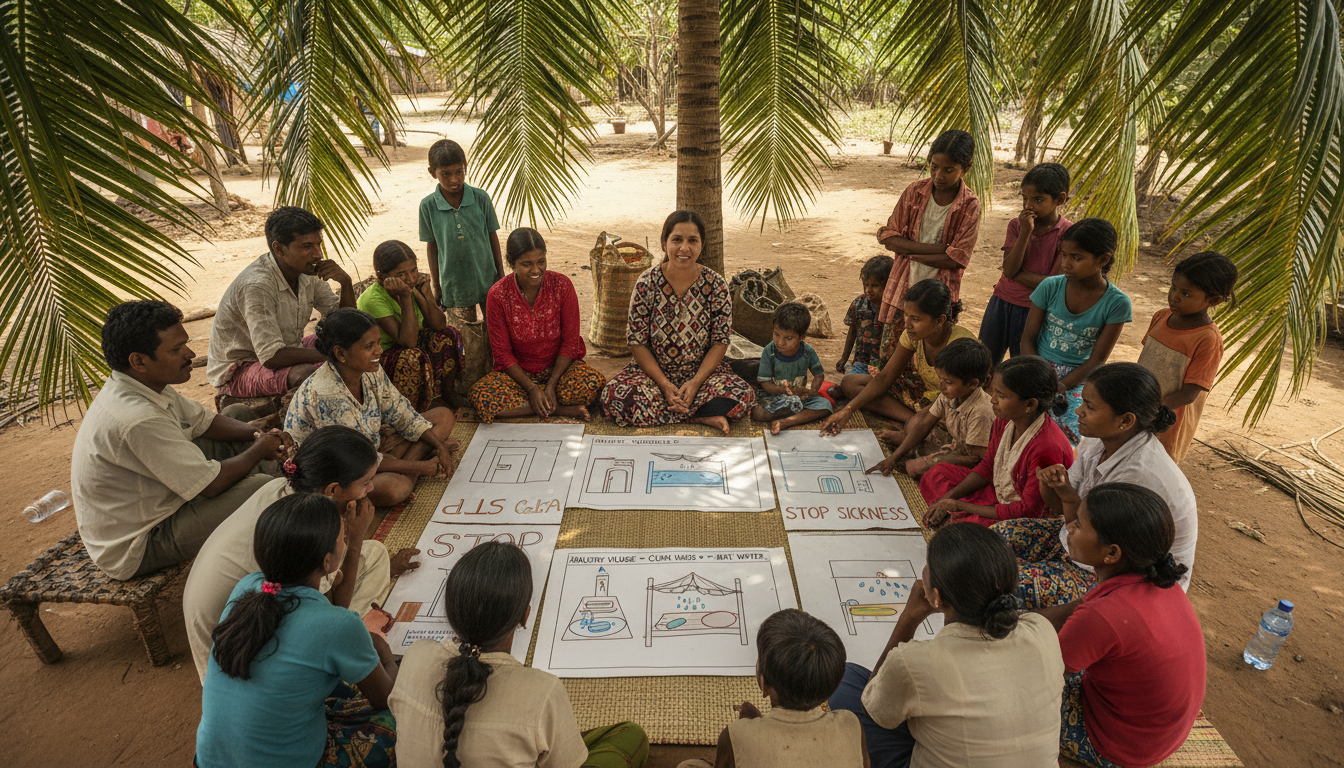
The first step in implementing a community health program is to identify the specific needs of your community. Conduct surveys, focus groups, and interviews to gather data on prevalent health issues, demographics, and existing resources. This information will help you tailor your program to address the most pressing concerns.
It's crucial to involve community members in this process to ensure their voices are heard. Their insights can provide valuable perspectives and help shape a program that truly meets their needs.
Set Clear Goals and Objectives
Once you've identified the community's needs, set clear goals and objectives for your health program. These should be specific, measurable, achievable, relevant, and time-bound (SMART). Clear goals will guide the development and implementation of your program, ensuring that all efforts are aligned towards achieving desired outcomes.

Develop a Comprehensive Plan
With goals in place, develop a comprehensive plan outlining the steps needed to implement your program. This plan should include strategies for outreach, education, resource allocation, and evaluation. Be sure to consider potential barriers and develop solutions to overcome them.
Collaboration with local organizations, healthcare providers, and government agencies can enhance the effectiveness of your program. These partnerships can provide additional resources and expertise, helping to reach a wider audience.
Implement and Promote the Program
Once your plan is ready, it's time to implement the program. Launching a successful community health program requires effective promotion to raise awareness and encourage participation. Utilize various communication channels such as social media, local newspapers, and community events to spread the word.

Monitor and Evaluate Progress
Monitoring and evaluation are critical components of a successful community health program. Regularly assess the program's progress and gather feedback from participants. This data will help you identify areas for improvement and make necessary adjustments to enhance the program's impact.
Consider using both qualitative and quantitative methods to evaluate the program. Surveys, interviews, and health outcome measurements can provide a comprehensive overview of the program's effectiveness.
Ensure Sustainability
To ensure long-term success, consider strategies for sustaining the program beyond its initial implementation. This may include securing ongoing funding, building strong community partnerships, and continuously adapting to changing needs and circumstances.
Engage community members in the maintenance and evolution of the program to foster a sense of ownership and commitment. Their involvement can be a key factor in sustaining the program's impact over time.