Public Health Trends in Africa: What to Expect and How to Prepare
PH
Introduction to Public Health Trends in Africa
Public health in Africa is at a pivotal point, with significant transformations expected in the coming years. As the continent continues to grow and urbanize, new challenges and opportunities are emerging. Understanding these trends is crucial for governments, organizations, and individuals to effectively prepare and respond.
The focus on public health is increasingly shifting towards preventive measures, digital health innovations, and addressing the social determinants of health. These changes are helping to reshape the healthcare landscape across Africa.

Rise of Non-Communicable Diseases
Non-communicable diseases (NCDs) such as diabetes, heart disease, and cancer are becoming more prevalent due to lifestyle changes and urbanization. This shift demands a new approach to healthcare, focusing on prevention and management of these conditions.
The increase in NCDs calls for investment in healthcare infrastructure and education to promote healthier lifestyles. Governments and organizations are working to develop strategies that address these issues through community-based interventions.

The Role of Nutrition and Exercise
Improving nutrition and encouraging regular exercise are key components in combating the rise of NCDs. Initiatives promoting balanced diets and physical activity are being implemented at both local and national levels to foster a healthier population.
Impact of Digital Health Technologies
Digital health technologies are playing a transformative role in the African public health sector. From mobile health applications to telemedicine, these innovations are making healthcare more accessible and efficient.
Mobile technology, in particular, is bridging the gap in remote and underserved areas, providing essential health information and services to those who need it most. This digital transformation is crucial in improving health outcomes across the continent.

Challenges and Opportunities
While digital health offers numerous advantages, it also presents challenges such as data security and technology accessibility. Addressing these issues requires collaboration between governments, technology companies, and healthcare providers to ensure sustainable and equitable solutions.
Addressing Infectious Diseases
Despite progress, infectious diseases such as malaria, HIV/AIDS, and tuberculosis remain prevalent in many parts of Africa. Efforts to combat these diseases are ongoing, with a focus on vaccination, education, and improved healthcare infrastructure.
Continued investment in research and development is essential to develop new treatments and improve existing ones. Partnerships between international organizations and local governments are key to sustaining these efforts.
Community Engagement and Education
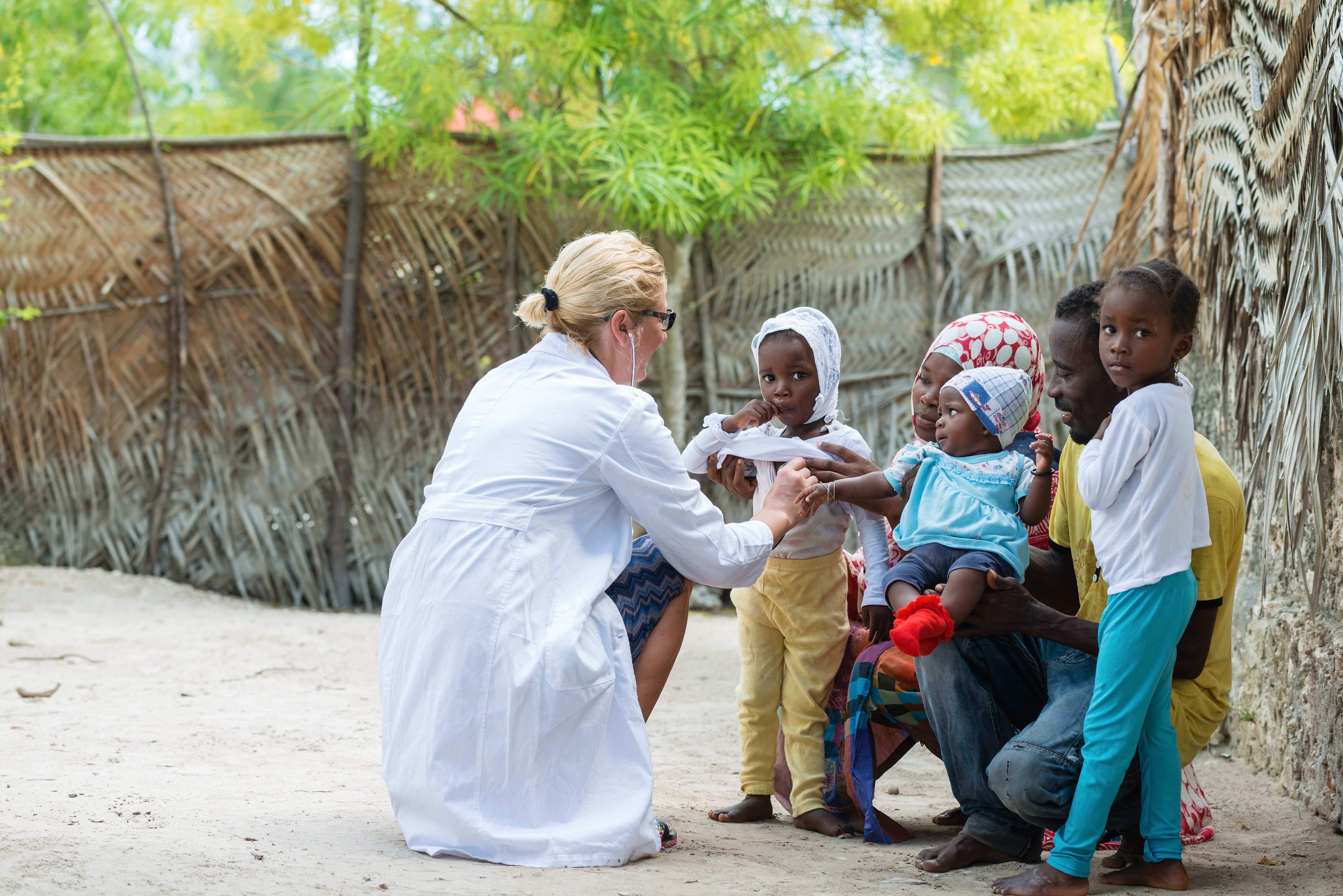
Engaging communities and providing education on prevention methods are vital components in the fight against infectious diseases. Grassroots campaigns and community health workers play an important role in spreading awareness and encouraging proactive health behaviors.
Conclusion
Africa's public health landscape is rapidly evolving, with both challenges and opportunities on the horizon. By understanding these trends and preparing accordingly, stakeholders can work together to build a healthier, more resilient future for the continent.
Collaboration, innovation, and education are the cornerstones of effective public health strategies, ensuring that progress continues and health outcomes improve for all Africans.