Seasonal Health Challenges in Africa: What to Expect and Prepare For
PH
Africa, with its diverse climates and ecosystems, presents a unique set of seasonal health challenges. Understanding these challenges is crucial for both residents and travelers. From tropical diseases to weather-related health issues, being prepared can make a significant difference in well-being.
Climate and Health
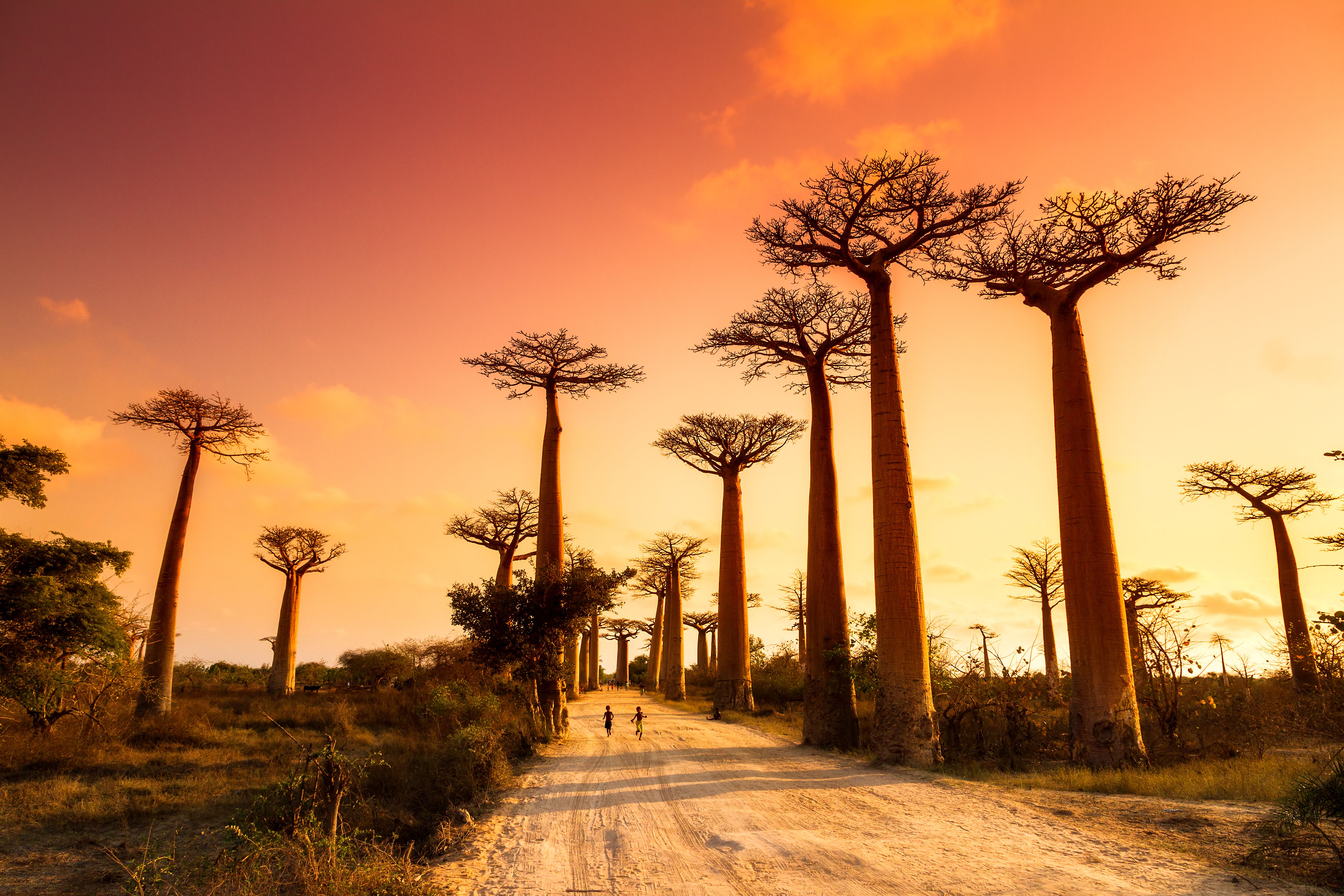
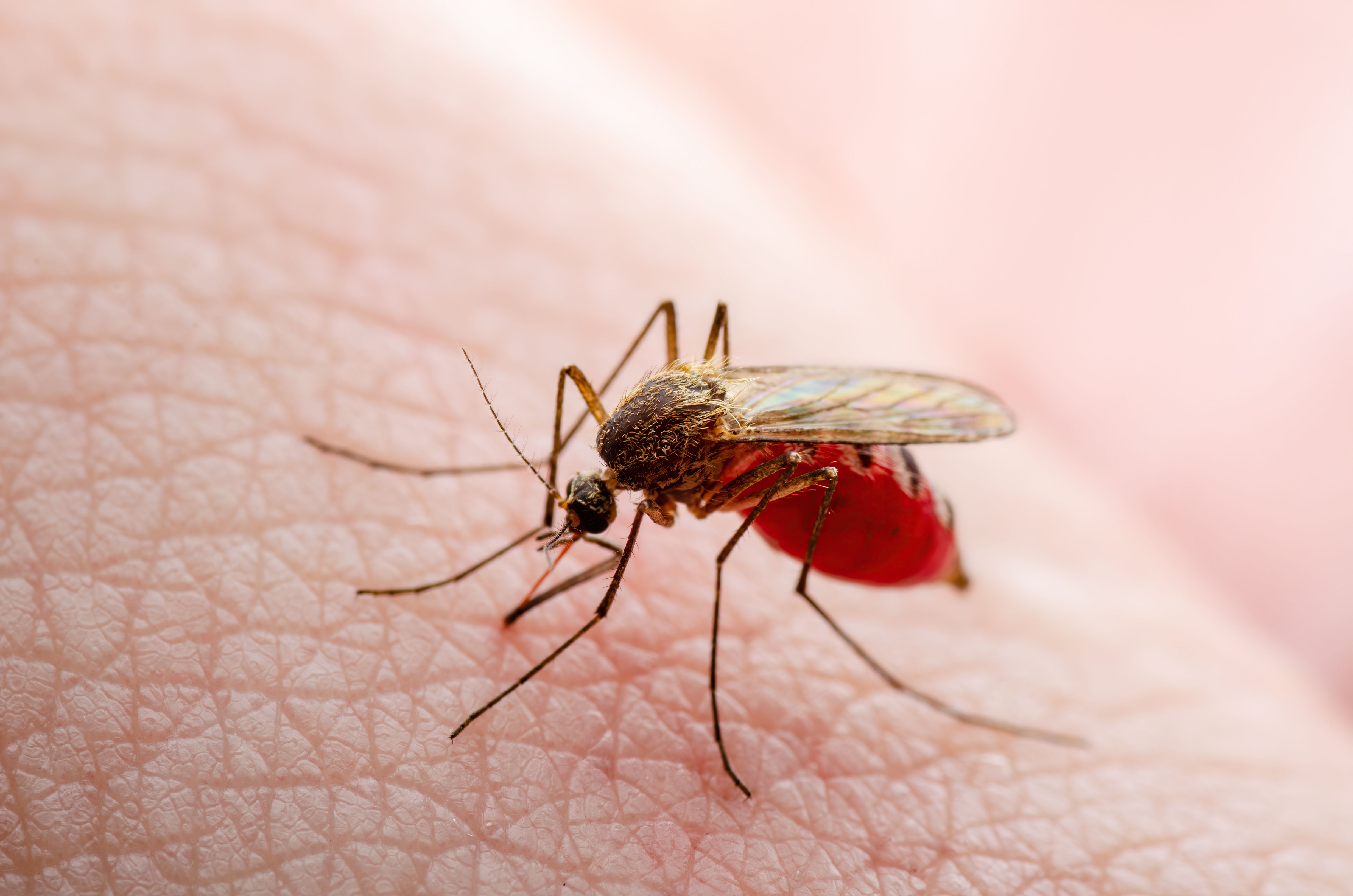
Africa's climate ranges from arid deserts to lush rainforests, each presenting distinct health challenges. During the rainy season, many regions experience an increase in vector-borne diseases like malaria and dengue fever. These diseases are spread by mosquitoes, which thrive in wet conditions.
In contrast, the dry season brings its own set of issues. Dust storms, common in arid regions, can exacerbate respiratory problems and trigger allergies. Understanding the local climate is the first step in preparing for these seasonal health challenges.
Preparing for Disease Outbreaks
During certain seasons, Africa sees an uptick in disease outbreaks. Malaria, cholera, and yellow fever are some of the diseases that see seasonal spikes. It's essential to stay informed about local health advisories and take preventive measures.
- Ensure vaccinations are up to date, especially when traveling.
- Use mosquito nets and repellents to prevent mosquito bites.
- Maintain good hygiene practices to prevent waterborne diseases.

Nutrition and Seasonal Changes
Seasonal changes can also impact nutrition. In some regions, the dry season can lead to food shortages, affecting nutritional intake. Understanding local agricultural cycles can help in planning a balanced diet throughout the year.
Communities often rely on staple crops that are seasonally available. During lean periods, it's vital to diversify food sources to maintain nutritional health. Community gardens and local markets can be excellent sources of fresh produce.
Water Scarcity and Health
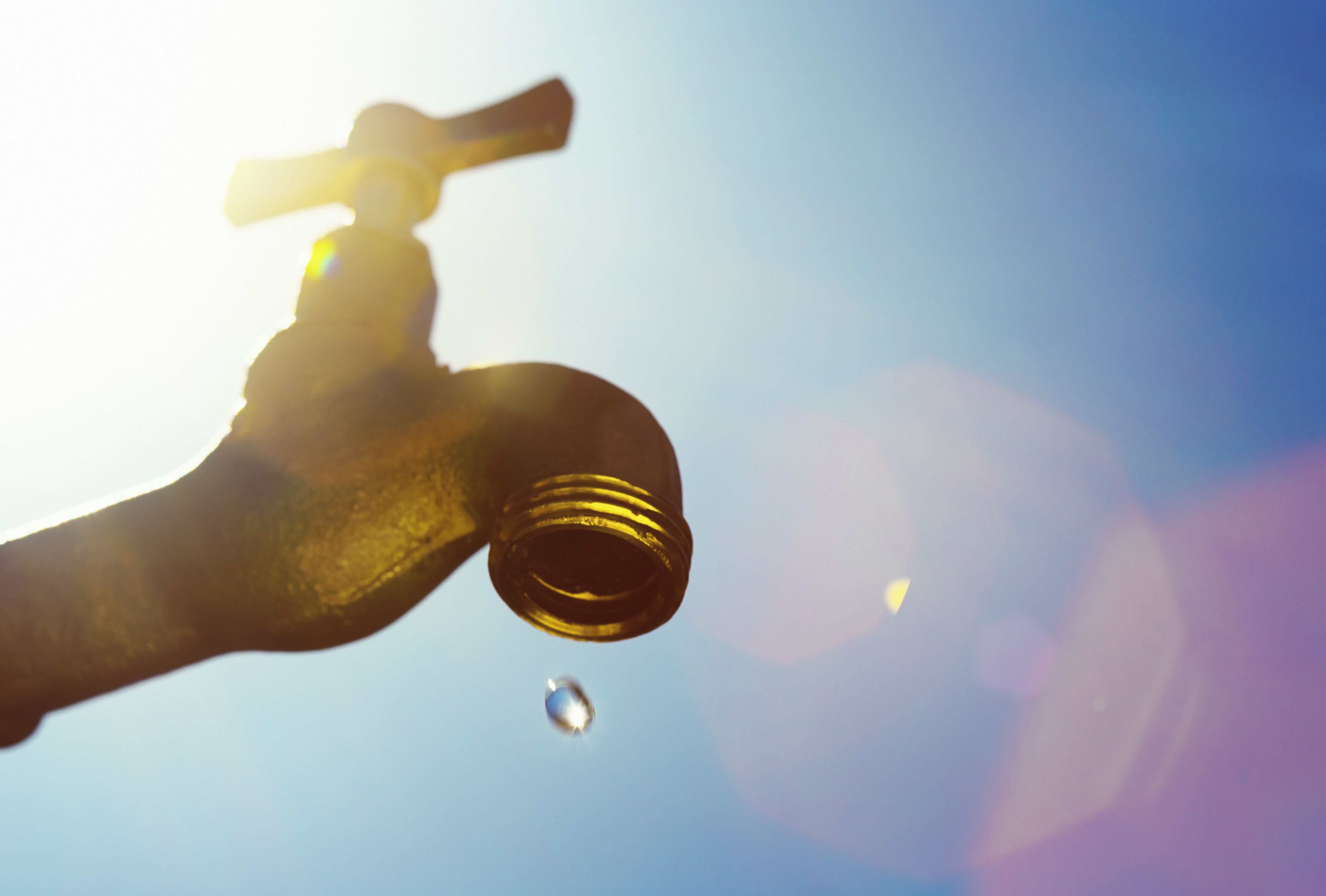
Water scarcity is a significant issue in many parts of Africa, especially during the dry season. Limited access to clean water can lead to dehydration and increase the risk of waterborne diseases. It's crucial to ensure safe water storage and practice water conservation.
- Boil or treat water before drinking.
- Invest in water purification systems if possible.
- Educate communities on water conservation methods.
Adapting to Weather Extremes
Weather extremes, such as heatwaves and floods, pose additional health risks. Heatwaves can lead to heatstroke and dehydration, while floods can cause injuries and spread diseases. Being prepared for these events is essential for safety.
Communities should have emergency plans in place to deal with weather-related disasters. This includes having evacuation routes, emergency supplies, and communication systems. Staying informed about weather forecasts can also provide crucial time to prepare.
Conclusion
Seasonal health challenges in Africa require awareness and proactive measures. By understanding the local climate and potential health risks, individuals and communities can better prepare and protect themselves. Whether dealing with diseases, nutritional changes, water scarcity, or weather extremes, informed preparation is key to maintaining health and well-being.