Understanding Community Health Challenges in Africa: A Regional Perspective
PH
Introduction to Community Health in Africa
Community health in Africa is a multifaceted issue that encompasses various challenges and opportunities. The continent is home to diverse populations with unique health needs shaped by geographical, cultural, and economic factors. Understanding these challenges is essential for developing effective health interventions and policies.
While Africa has made significant strides in improving health outcomes, numerous obstacles remain. These challenges vary by region and are influenced by local dynamics. Addressing them requires a comprehensive understanding of each area's specific needs.
Regional Disparities in Health
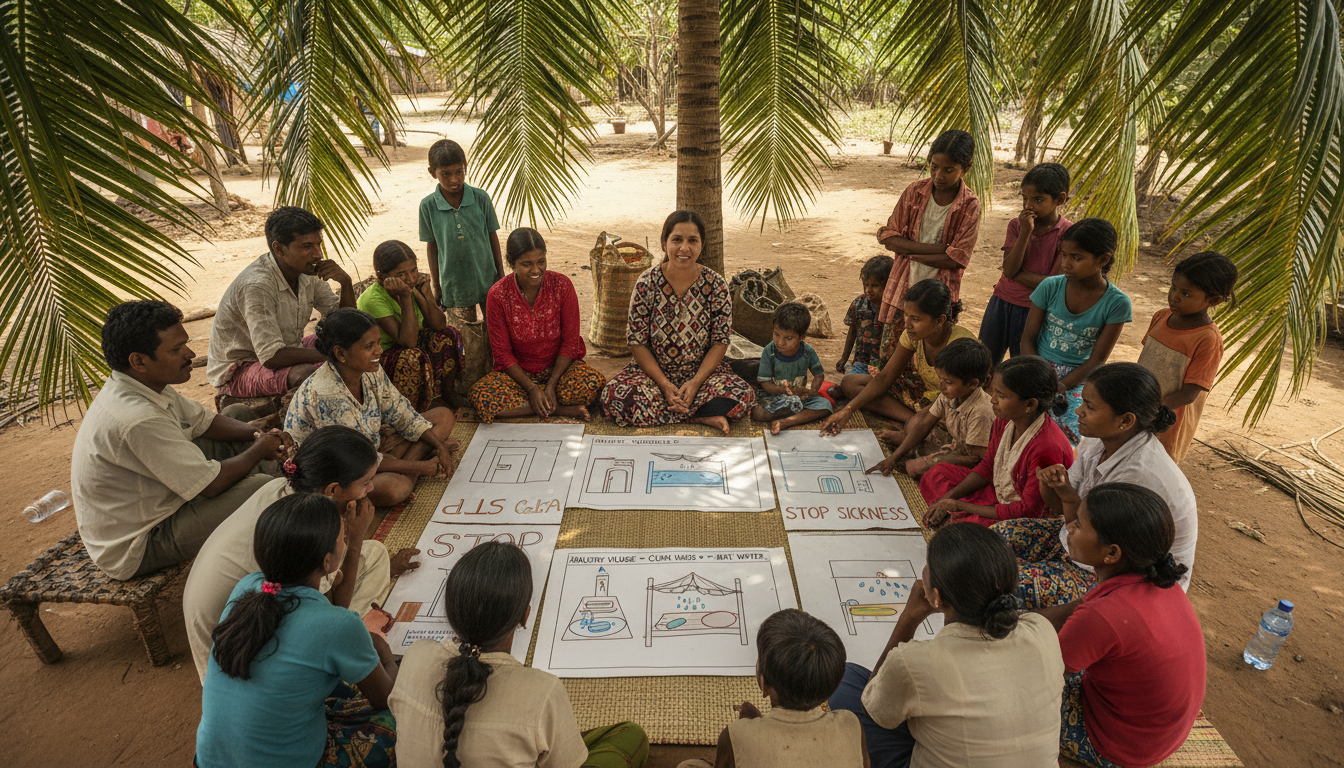
One of the most significant challenges in addressing community health in Africa is the regional disparities that exist. Health outcomes can differ drastically between urban and rural areas, as well as between different countries. Urban areas often have better access to healthcare facilities and resources, whereas rural areas may lack essential services.
Additionally, some regions are more affected by specific diseases. For example, malaria is prevalent in West and Central Africa, while HIV/AIDS has a higher impact in Southern Africa. These regional differences necessitate tailored approaches to health interventions.
Socioeconomic Factors
Socioeconomic factors play a crucial role in shaping community health outcomes. Poverty, education, and employment status significantly influence access to healthcare and the ability to maintain a healthy lifestyle. In many African countries, a large portion of the population lives below the poverty line, limiting access to nutritious food, clean water, and medical services.
Healthcare Infrastructure and Access
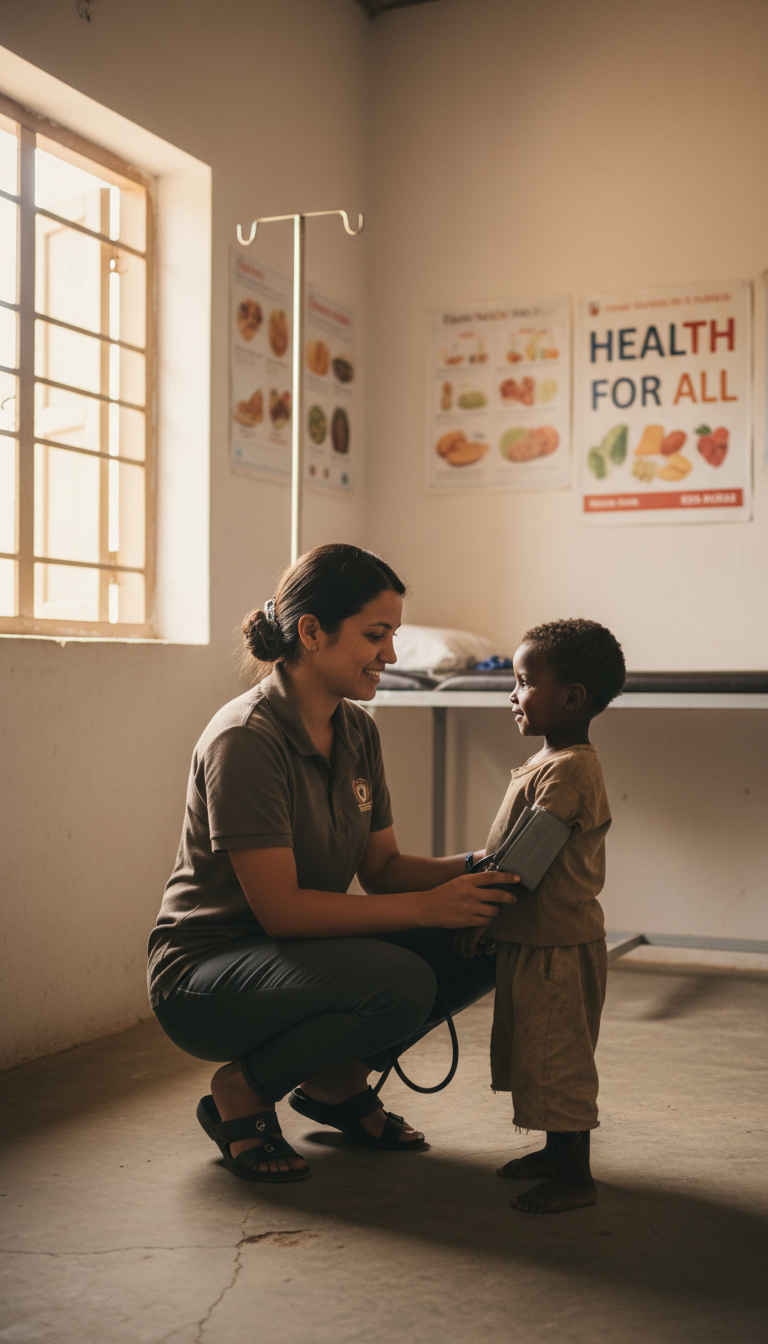
Another challenge in improving community health in Africa is the lack of adequate healthcare infrastructure. Many regions suffer from a shortage of healthcare facilities, trained personnel, and medical supplies. This can lead to overcrowded hospitals, long waiting times, and inadequate care, particularly in rural settings.
Efforts to improve healthcare infrastructure must consider both physical resources and human capital. Investing in training programs for healthcare professionals and expanding facilities can help bridge the gap in access and quality of care.
Traditional Medicine and Cultural Practices
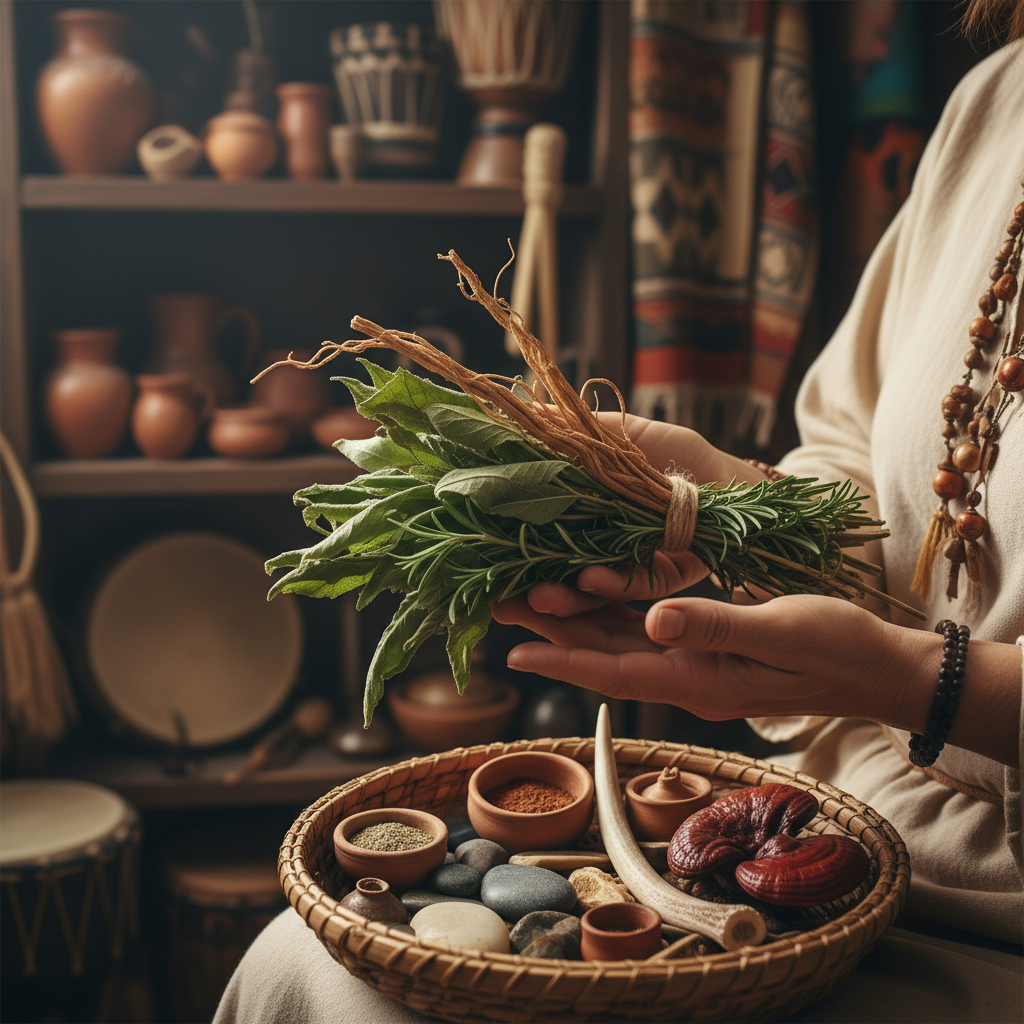
Traditional medicine and cultural practices also impact community health. Many Africans rely on traditional healers and remedies, which can complement or conflict with modern medical practices. Understanding and integrating these cultural elements into health strategies can enhance community acceptance and participation in health programs.
Global Partnerships and Support
International partnerships and support play a vital role in addressing community health challenges in Africa. Organizations like the World Health Organization (WHO) and various non-governmental organizations (NGOs) collaborate with local governments to implement health programs and provide essential resources.
These partnerships can offer technical expertise, funding, and innovative solutions to improve health outcomes. However, it is crucial to ensure that these efforts are aligned with local needs and priorities to be effective.
Future Perspectives
Looking forward, a holistic approach that considers the unique needs of each region is essential for improving community health in Africa. This includes leveraging technology, such as telemedicine, to reach remote areas and utilizing data-driven strategies to monitor and evaluate health interventions.
By addressing these challenges through collaborative efforts and tailored solutions, Africa can progress towards achieving better health outcomes for its diverse communities.